- Area
200 Sq. Km.
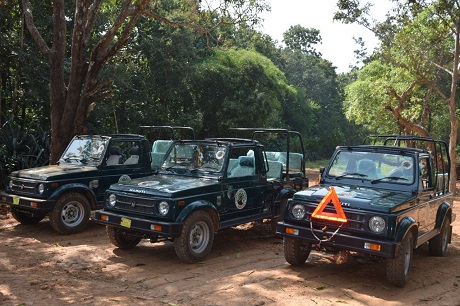
The Park is a paradies for the nature lovers. the moist peninsular sal Forests and the South Indian tropical moist deciduous forests are seen in their fines from here. The park is situated in transition zone where southern limit of sal forests and norhern limit of teak forests overlap, hence both Sal and Teak are seen togerther in this valley.
Kanger Valley- national park offers visitors an unmatched and unforgettable experience of eco-tourism. Kanger Valley National park, full of beautiful landscapes, forests, limestone caves, wildlife etc. is located at a distance of 27 km. from the famous seat of tribal culture, Jagdalpur (Chhattisgarh). The Park is full of rich floral and faunal biodiversity, streams, falls, valleys, lakes, limestone caves etc.
The park presents a good example of man-animal harmony where animals and tribal people co-exist in peace and tranquility of forest.
In July 1982, the reserve forests of Kanger were declared National Park for protection & conservation of rich floral & faunal biodiversity within the park in general and habitat conservation and development of wildlife and eco-tourism in particular.
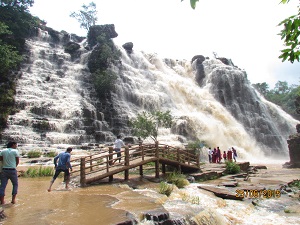
The pristine & verdant forest of Kanger ghati has bagged recommendation to be declared as 'Biosphere Reserve'. The park extends from famous Tirathgarh waterfall in the west to Kolab River in the east. The river separates the park from the state of Orissa.
The legendary Kanger River valley runs from West to East almost bisecting the Park into two halves. The average width of the Park (north to south) is 6 km. while the average length (west to east) is 34 km. the area of the park is 200 square kilometer. Entire Park constitutes core area and there is no buffer zone. Nearly 50 villages located outside touch the outskirts of the park while one forest village viz. Kotamsar lies within the core area of the park.
The valley is in fact one of the last pockets of almost virgin forest stil left in the peninsular region. To protect this unique eco-system, it has been proposed as Biosphere Reserve under the MAB programme. The Valley is nearly 34km long with averge width of about 6km. The terrain is mostly hilly. The park fauna consists of Panther, Wildcate, Cheetal (Spotted Deer), Sambhar, Barking Deer, Wild Pig, Jacal, Langur, Rhesus Macaque, Sloth Bear, Flying Squirrel, Pythan, Hyena, Rabbit, Crocodile other and Civet.The fauna included birds of prey, scavenging birds, water birds, pheasant etc. The reptiles include snakes, lizards and the the insects include butterfiles, moths, dragonflies, bryophytes and pteridophyte are also quite common, all these put together with the virgin forests make the park a unique ecosystem. The park derives its name from the Kanger River witch flows throughout the park in its length. The other main attraction of the park are Kutumsar Caves, Kailash Gupha, Tirathgarh Falls, Bhisadarha, State Bird of Chhattisgarh State Bastar Hill Myna(Gracula religlosa peninularis) found in National Park.
Kanger Valley Natioanl Park
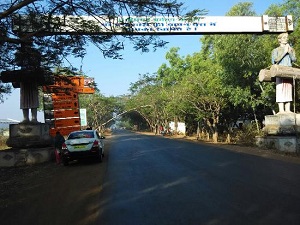
The park presents a good example of man-animal harmony where animals and tribal people co-exist in peace.
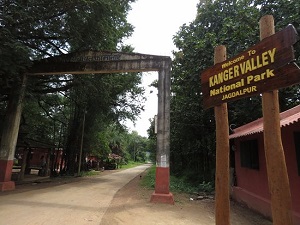
The park presents a good example of man-animal harmony where animals and tribal people co-exist in peace.
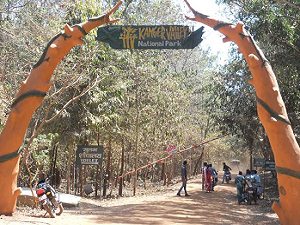
The park presents a good example of man-animal harmony where animals and tribal people co-exist in peace.
The park presents a good example of man-animal harmony where animals and tribal people co-exist in peace.