Tourist Places

Picture
Tirathgarh Fall

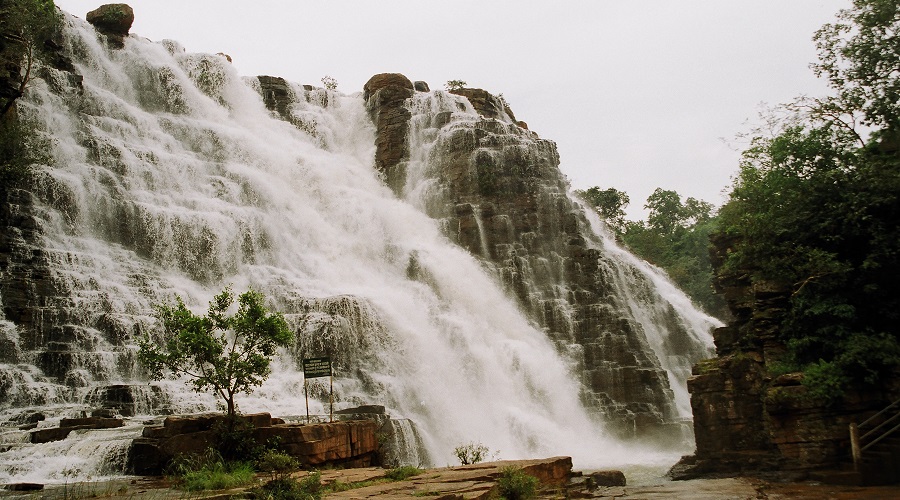
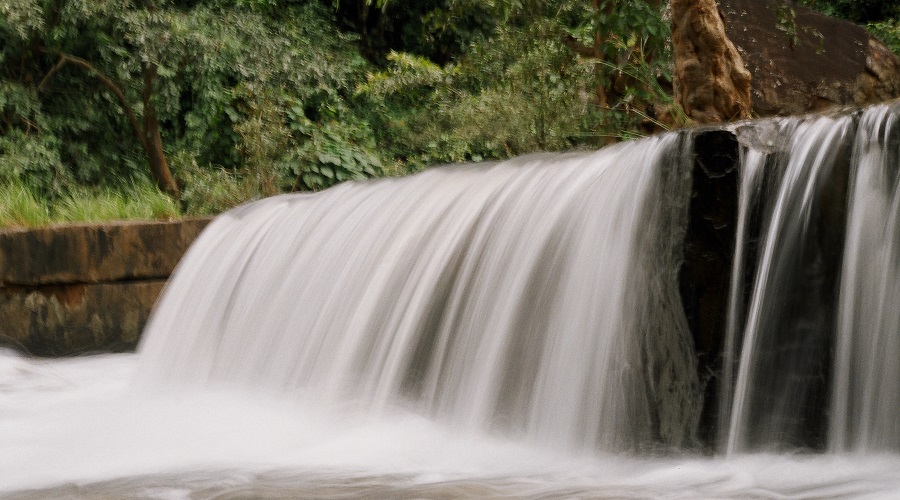
Situated 39 kms south-west of Jagdalpur, the picturesque waterfall of Muna bahar riever cascades down from a height at 100ft. in the form of several steps. An ancient shivparvti tempale is also persent here.

How the Tirathgarh Waterfalls are formed is a matter of curiosity. In the geological past (700 to 1100 million years back), entire region was part of a shallow depositional basin named Indravati Basin. The Tirathgarh sand stone is the lowermost unit of this Basin. It you observe these rocks; you will find in the upstream area that these sand stone members are almost horizontally bedded. At the third stage of fall, one can see the reason behind their formation. One dark tone magmatic intrusive body emplaced inself in the sandstone in geological past as a result of which tremendous vertical pressure was generated and adjacent rocks weredeformed shifted and fractured. Folds, faults and joints are evident in the down stream portion. Highly inclined sand stone beds in the down stream portion indicate the very existence of the place from which out pouring of magma took place in the geological past.

View Tarrif
location
Kanger Dhara

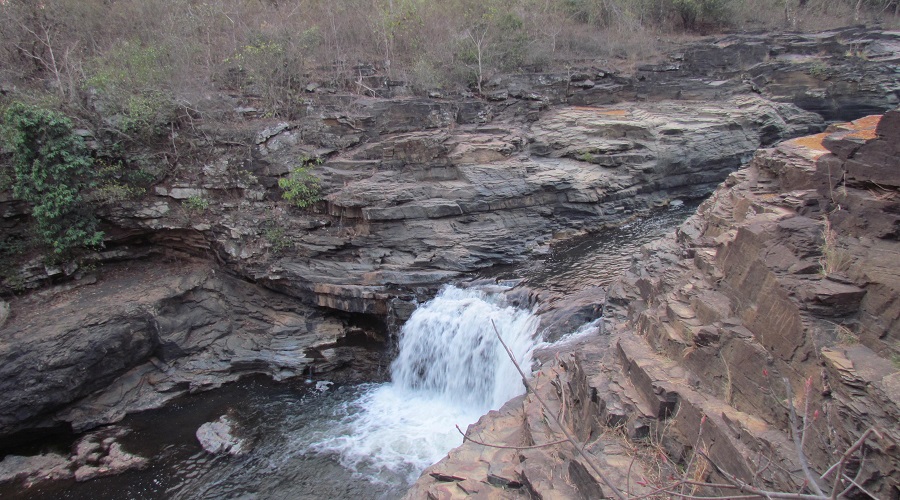
Kanger river witch waters the national park, in the course of its eastward jounery forms a beautiful cataract at one point known as kangerdhara. This is a favourite photo spot for the visitors of National Park.

Kanger dhara waterfall was formed by a profound tectonic event which tool place in the geological past as a result of which silicic magmatism took place and the overlaying shale got deformed. Here you can abserve different kinds of folding (small domes, basins, similar folds, symmetrical, asymmetrical folds) joint patterns and mind metamorphism of shale. The reason for the formation of the Kanger Dhara fall in most probably silicic magmatism accompanied by seismic in this region.

At Kanger dhara, the Kanger Valley turns into a mini water fall. Rocks, shallow water pools, valley, musical flows of water etc. offer a site where one can relax and feel the beauty of nature in its virgin state.

View Tarrif
Picture
Kutumsar Cave

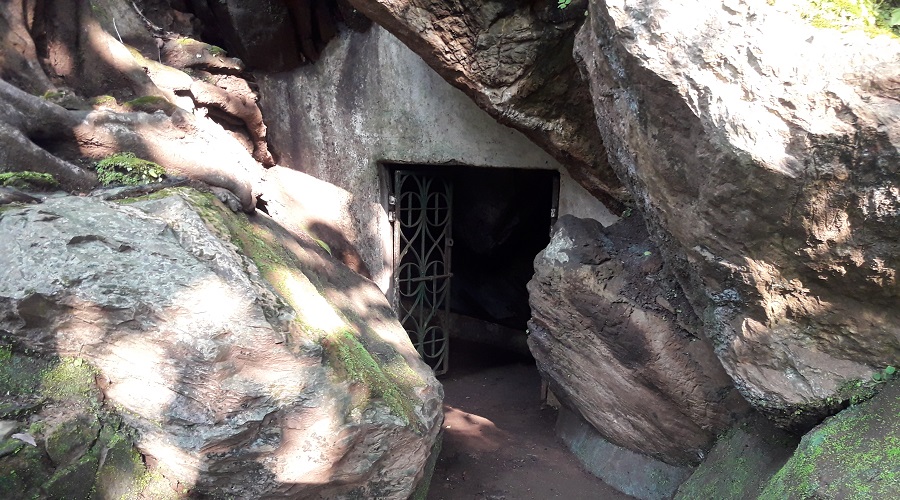
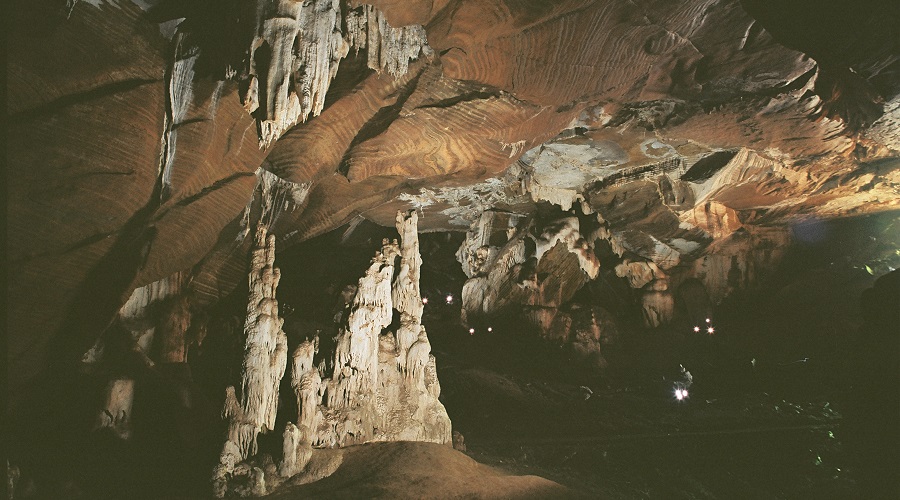
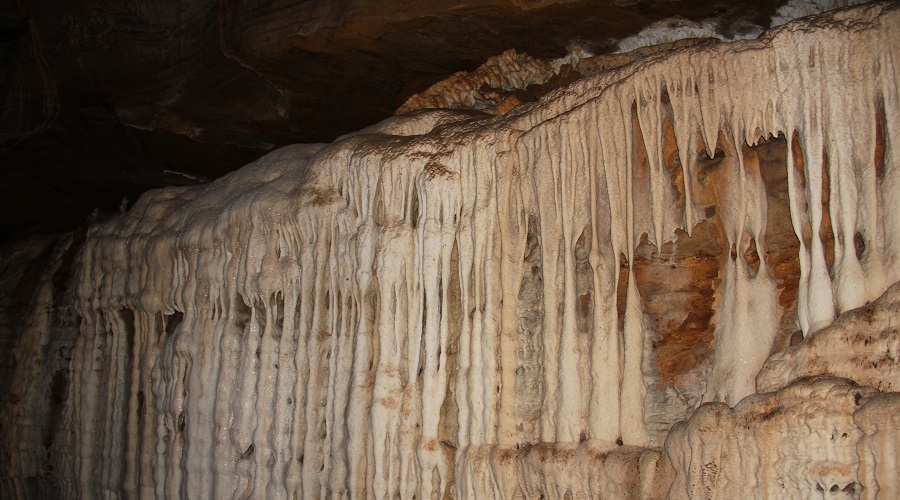
Situated in Kanger Valley National Park, Place abounds in stalactite and stalagmite columns, the entrance to the caves is a small passage of 5ft. height and 3ft width. There are five chambers in the cave which have several blind wells all except one covered with a sheet of rock which, when struck, gives a hollow sound.

Discovered in 1990, this cave was surveyed by Dr. Shankar Tiwari in 1951. The leading way inside the cave is 330m. Long and 20m. To 72m. Wide. Limestone structures called stalactite (one hanging from the roof) and stalagmite (on deposited on the floor) are major attractions. These structures have formed over a long period of time and they offer important academic and metrorological insights about different periods in history. Numerous depressions at cave floor constitute small ponds that harbor ‘blind, frong. In addition to this, many reptiles, spiders, bats, crickets exist inside the cave. The rear end of the cave has a ‘Shivaling’ made of limestone depositions. A visit to cave is to be enjoyed with the help of compulsory guide and solar lamps.

View Tarrif
Location
Kailash Cave

Situated 16kms. From Kutumsar on the lower Kanger Valley road. There are stalactite and stalagmite columns in the from of big durbar halls on mountain top, this is and abode of Lord Shiva. The series of other famous limestone rock caves in the Dandkarnya are Dandak Gupha, Aranya Gupha, Sakainarayan Gupha, Tula Gupha, Rani Gupha, Makar Gupha etc.

This was found out by park staff in 1993. The cave is 200 m. long and its depth various from 35 to 50m. A big 'Court Hall' inside the cave has its interior adorned with several attractive formations of limestone and dripstone.

View Tarrif
Location
Dandak Cave

This was invented is April 1995. This caves is 200m long and its depth is 15-25m. There are two compartments is this cave. After entering in to first compartment a bid chamber can be seen. In this hall solid and bright structures of huge dripstone are formed. To reach into second compartment one has to go by crawling on knee. A wll like structure into deep dark is also presnent there. After that, white and beautiful structure of stalactite is formed. The cave is lit by solar lights.

Dandak cave, discovered in 1995, is 200m. long and 15 to 20m deep The cave has two compartments. When entered, the first one presents a view of a big 'Assemply Hall' containing huge pristine dripstone structures. To enter the second compartment, one has to almost crawl on knees. A well like structure amidst deep darkness welcome visitors here. After the well, beautiful stalactile and stalagmite formations appear. Guides and solar lamps are must for visiting the cave.

View Tarrif
location
Kanger Stream

Near Kutumsar Village Kanger is a small waterfall which falls down from many places as brooks, Stony Rocks, Shallow Cistern and Ripping Sound of continuously flowing water is the main attraction over here.

Other places in the park to see are Bhainsa Darha, Porewa Badi, Kanger-Kholab Sangam, Lower Kanger Valley Drive, Interpretation Center at Kutumsar Village, Nature trail etc.

View Tarrif